
Նիւթ
Վերնագիր: The Latency Improvement Method For High-Speed Serdes Clock-Data Recovery Loop
Հրապարակման մանրամասներ:
Լույս է տեսնում 1948 թվականից՝ տարին 4 անգամ։
Ամսագրի կամ հրապարակման վերնագիր:
Հրապարակման ամսաթիւ:
Հատոր:
Համար:
ISSN:
Պաշտոնական URL:
Լրացուցիչ տեղեկութիւն:
Геворгян А. Х., Գևորգյան Ա. Խ.
Այլ վերնագիր:
Արագագործ serdes համակարգերում տվյալների և տակտային ազդանշանի վերականգնման շղթայի հապաղման բարելավման մեթոդ ; Метод улучшения задержки для контура восстановления тактовых данных в высокоскоростных serdes системах
Աջակից(ներ):
Պատ․ խմբ․՝ Ա․ Գ․ Նազարով (1957-1964) ; Մ․ Վ․ Կասյան (1964-1988) ; Ռ․ Մ․ Մարտիրոսյան (1989-2017 ) ; Գլխավոր խմբ․՝ Վ․ Շ․ Մելիքյան (2018-)
Ծածկոյթ:
Ամփոփում:
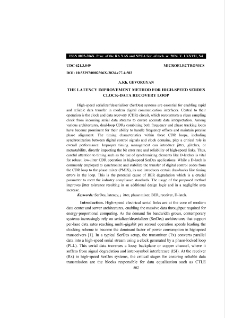
High-speed serializer/deserializer (SerDes) systems are essential for enabling rapid and reliable data transfer in modern digital communication interfaces. Central to their operation is the clock and data recovery (CDR) circuit, which reconstructs a clean sampling clock from incoming serial data streams to ensure accurate data interpretation. Among various architectures, dual-loop CDRs combining both frequency and phase tracking loops have become prominent for their ability to handle frequency offsets and maintain precise phase alignment. The timing characteristics within these CDR loops, including synchronization between digital control signals and clock domains, play a critical role in overall performance. Improper timing management can introduce jitter, glitches, or metastability, directly impacting the bit error rate and reliability of high-speed links. Thus, careful attention to timing such as the use of synchronizing elements like D-latches is vital for robust, low-jitter CDR operation in high-speed SerDes applications. While a D-latch is commonly employed to synchronize and stabilize the transfer of digital control codes from the CDR loop to the phase mixer (PMIX), its use introduces certain drawbacks like timing errors in the loop. This is the potential cause of BER degradation which is a crucial parameter to meet the industry compliance standards. The usage of the proposed method improves jitter tolerance resulting in an additional design logic and in a negligible area increase․
Հրատարակութեան վայրը:
Երևան
Հրատարակիչ:
Ձեւաչափ:
Նոյնացուցիչ:
oai:arar.sci.am:427591
Դասիչ:
Թուայնացում:
ՀՀ ԳԱԱ Հիմնարար գիտական գրադարան
Բնօրինակին գտնուելու վայրը:
ՀՀ ԳԱԱ Հիմնարար գիտական գրադարան
Նիւթին հաւաքածոները:
Վերջին անգամ ձեւափոխուած է:
Mar 5, 2026
Մեր գրադարանին մէջ է սկսեալ:
Mar 5, 2026
Նիւթին բովանդակութեան հարուածներուն քանակը:
33
Նիւթին բոլոր հասանելի տարբերակները:
https://arar.sci.am/publication/460615
Ցոյց տուր նկարագրութիւնը RDF ձեւաչափով:
Ցոյց տուր նկարագրութիւնը OAI-PMH ձեւաչափով։
-
ՀՀ ԳԱԱ և ՀՊՃՀ Տեղեկագիր. Տեխնիկական գիտություններ =Proceedings of the NAS RA and SEUA: Technical Sciences
-
ՀՍՍՌ ԳԱ Տեղեկագիր: Տեխնիկական գիտություններ, 1957
-
ՀՍՍՌ ԳԱ Տեղեկագիր: Տեխնիկական գիտություններ, 1958
-
ՀՍՍՌ ԳԱ Տեղեկագիր: Տեխնիկական գիտություններ, 1959
-
ՀՍՍՌ ԳԱ Տեղեկագիր: Տեխնիկական գիտություններ, 1960
-
ՀՍՍՌ ԳԱ Տեղեկագիր: Տեխնիկական գիտություններ, 1961
-
ՀՍՍՌ ԳԱ Տեղեկագիր: Տեխնիկական գիտություններ, 1962
-
ՀՍՍՌ ԳԱ Տեղեկագիր: Տեխնիկական գիտություններ, 1963
-
ՀՍՍՌ ԳԱ Տեղեկագիր: Տեխնիկական գիտություններ, 1964
-
ՀՍՍՌ ԳԱ Տեղեկագիր: Տեխնիկական գիտություններ, 1965
-
ՀՍՍՀ ԳԱ Տեղեկագիր: Տեխնիկական գիտություններ, 1966
-
ՀՍՍՀ ԳԱ Տեղեկագիր: Տեխնիկական գիտություններ, 1967
-
ՀՍՍՀ ԳԱ Տեղեկագիր: Տեխնիկական գիտություններ, 1968
-
ՀՍՍՀ ԳԱ Տեղեկագիր: Տեխնիկական գիտություններ, 1969
-
ՀՍՍՀ ԳԱ Տեղեկագիր: Տեխնիկական գիտություններ, 1970
-
ՀՍՍՀ ԳԱ Տեղեկագիր: Տեխնիկական գիտություններ, 1971
-
ՀՍՍՀ ԳԱ Տեղեկագիր: Տեխնիկական գիտություններ, 1972
-
ՀՍՍՀ ԳԱ Տեղեկագիր: Տեխնիկական գիտություններ, 1973
-
ՀՍՍՀ ԳԱ Տեղեկագիր: Տեխնիկական գիտություններ, 1974
-
ՀՍՍՀ ԳԱ Տեղեկագիր: Տեխնիկական գիտություններ, 1975
-
ՀՍՍՀ ԳԱ Տեղեկագիր: Տեխնիկական գիտություններ, 1976
-
ՀՍՍՀ ԳԱ Տեղեկագիր: Տեխնիկական գիտություններ, 1977
-
ՀՍՍՀ ԳԱ Տեղեկագիր: Տեխնիկական գիտություններ, 1978
-
ՀՍՍՀ ԳԱ Տեղեկագիր: Տեխնիկական գիտություններ, 1979
-
ՀՍՍՀ ԳԱ Տեղեկագիր: Տեխնիկական գիտություններ, 1980
-
ՀՍՍՀ ԳԱ Տեղեկագիր: Տեխնիկական գիտություններ, 1981
-
ՀՍՍՀ ԳԱ Տեղեկագիր: Տեխնիկական գիտություններ, 1982
-
ՀՍՍՀ ԳԱ Տեղեկագիր: Տեխնիկական գիտություններ, 1983
-
ՀՍՍՀ ԳԱ Տեղեկագիր: Տեխնիկական գիտություններ, 1984
-
ՀՍՍՀ ԳԱ Տեղեկագիր: Տեխնիկական գիտություններ, 1985
-
ՀՍՍՀ ԳԱ Տեղեկագիր: Տեխնիկական գիտություններ, 1986
-
ՀՍՍՀ ԳԱ Տեղեկագիր: Տեխնիկական գիտություններ, 1987
-
ՀՍՍՀ ԳԱ Տեղեկագիր: Տեխնիկական գիտություններ, 1988
-
ՀԽՍՀ ԳԱ Տեղեկագիր: Տեխնիկական գիտություններ, 1989
-
ՀԽՍՀ ԳԱ Տեղեկագիր: Տեխնիկական գիտություններ, 1990
-
ՀՀ ԳԱԱ Տեղեկագիր: Տեխնիկական գիտություններ, 1991
-
ՀՀ ԳԱԱ Տեղեկագիր: Տեխնիկական գիտություններ, 1992
-
ՀՀ ԳԱԱ Տեղեկագիր: Տեխնիկական գիտություններ, 1993
-
ՀՀ ԳԱԱ Տեղեկագիր: Տեխնիկական գիտություններ, 1994
-
ՀՀ ԳԱԱ և ՀՊՃՀ Տեղեկագիր. Տեխնիկական գիտություններ, 1995
-
ՀՀ ԳԱԱ և ՀՊՃՀ Տեղեկագիր. Տեխնիկական գիտություններ, 1996
-
ՀՀ ԳԱԱ և ՀՊՃՀ Տեղեկագիր. Տեխնիկական գիտություններ, 1997
-
ՀՀ ԳԱԱ և ՀՊՃՀ Տեղեկագիր. Տեխնիկական գիտություններ, 1998
-
ՀՀ ԳԱԱ և ՀՊՃՀ Տեղեկագիր. Տեխնիկական գիտություններ, 1999
-
ՀՀ ԳԱԱ և ՀՊՃՀ Տեղեկագիր. Տեխնիկական գիտություններ, 2000
-
ՀՀ ԳԱԱ և ՀՊՃՀ Տեղեկագիր. Տեխնիկական գիտություններ, 2001
-
ՀՀ ԳԱԱ և ՀՊՃՀ Տեղեկագիր. Տեխնիկական գիտություններ, 2002
-
ՀՀ ԳԱԱ և ՀՊՃՀ Տեղեկագիր. Տեխնիկական գիտություններ, 2003
-
ՀՀ ԳԱԱ և ՀՊՃՀ Տեղեկագիր. Տեխնիկական գիտություններ, 2004
-
ՀՀ ԳԱԱ և ՀՊՃՀ Տեղեկագիր. Տեխնիկական գիտություններ, 2005
-
ՀՀ ԳԱԱ և ՀՊՃՀ Տեղեկագիր. Տեխնիկական գիտություններ, 2006
-
ՀՀ ԳԱԱ և ՀՊՃՀ Տեղեկագիր. Տեխնիկական գիտություններ, 2007
-
ՀՀ ԳԱԱ և ՀՊՃՀ Տեղեկագիր. Տեխնիկական գիտություններ, 2008
-
ՀՀ ԳԱԱ և ՀՊՃՀ Տեղեկագիր. Տեխնիկական գիտություններ, 2009
-
ՀՀ ԳԱԱ և ՀՊՃՀ Տեղեկագիր. Տեխնիկական գիտություններ, 2010
-
ՀՀ ԳԱԱ և ՀՊՃՀ Տեղեկագիր. Տեխնիկական գիտություններ, 2011
-
ՀՀ ԳԱԱ և ՀՊՃՀ Տեղեկագիր. Տեխնիկական գիտություններ, 2012
-
ՀՀ ԳԱԱ և ՀՊՃՀ Տեղեկագիր. Տեխնիկական գիտություններ, 2013
-
ՀՀ ԳԱԱ և ՀՊՃՀ Տեղեկագիր. Տեխնիկական գիտություններ, 2014
-
ՀՀ ԳԱԱ և ՀԱՃՀ Տեղեկագիր. Տեխնիկական գիտություններ, 2015
-
ՀՀ ԳԱԱ և ՀԱՃՀ Տեղեկագիր. Տեխնիկական գիտություններ, 2016
-
ՀՀՀՀ ԳԱԱ և ՀԱՃՀ Տեղեկագիր. Տեխնիկական գիտություններ, 2017
-
ՀՀ ԳԱԱ և ՀԱՃՀ Տեղեկագիր. Տեխնիկական գիտություններ, 2018
-
ՀՀ ԳԱԱ և ՀԱՃՀ Տեղեկագիր. Տեխնիկական գիտություններ, 2019
-
ՀՀ ԳԱԱ և ՀԱՃՀ Տեղեկագիր. Տեխնիկական գիտություններ, 2020
-
ՀՀ ԳԱԱ և ՀԱՃՀ Տեղեկագիր. Տեխնիկական գիտություններ, 2021
-
ՀՀ ԳԱԱ և ՀԱՃՀ Տեղեկագիր. Տեխնիկական գիտություններ, 2022
-
ՀՀ ԳԱԱ և ՀԱՃՀ Տեղեկագիր. Տեխնիկական գիտություններ, 2023
-
ՀՀ ԳԱԱ և ՀԱՃՀ Տեղեկագիր. Տեխնիկական գիտություններ, 2024
-
ՀՀ ԳԱԱ և ՀԱՊՀ Տեղեկագիր. Տեխնիկական գիտություններ, 2024, Հատոր 77
-
ՀՀ ԳԱԱ և ՀԱՊՀ Տեղեկագիր. Տեխնիկական գիտություններ, 2024, Հատոր 77, 1
-
ՀՀ ԳԱԱ և ՀԱՊՀ Տեղեկագիր. Տեխնիկական գիտություններ, 2024, Հատոր 77, 2
-
ՀՀ ԳԱԱ և ՀԱՊՀ Տեղեկագիր. Տեխնիկական գիտություններ, 2024, Հատոր 77, 3
-
ՀՀ ԳԱԱ և ՀԱՊՀ Տեղեկագիր. Տեխնիկական գիտություններ, 2024, Հատոր 77, 4
- Կազմ; Խմբագրական կոլեգիա
- Պղնձի օքսիդացած հանքանյութերը և դրանցից պղնձի կորզման առանձնահատկությունները` սուլֆիդացման մեթոդների կիրառմամբ
- Հայաստանի Հանրապետության ընդերքում ածխաբեր առաջացումների հրաքայքայումով ստացված` սիլիցիումի կարբիդի և ածխածնային տարրերի հիմքով էլեկտրամագնիսական բաղադրանյութեր
- Գետային տիպի պոչամբարներից պոչային նստվածքների հեռացմաննոր սարքի ներդրման տեխնիկա-տնտեսական գնահատականը
- Փոքր հզորությամբ զառիթափ հանքերակների ստորգետնյա մշակման համակարգերի կիրառման արտասահմանյան փորձի վերլուծությունը
- Application Of Specialized Populations In A Genetic Algorithm For Optimizing The Placement Of Integrated Circuit Components
- Current Status And Fundamentals Of Microwave Integrated Circuit Design With GaN HEMT Transistors
- BiFe0.7Mn0.3O3 նանոթաղանթների ստացումը և հատկությունների ուսումնասիրությունը
- The Clock Duty-Cycle Correction Calbration MethodFor High-Speed Transmitters
- The Linearity Improvement Method In Continuous Time Linear Equalizers
- The Latency Improvement Method For High-Speed Serdes Clock-Data Recovery Loop
- Lattice Models Of Self-Organized Criticality And FullI nformation Dissemination Schemes: Applications In Uav Swarm Systems
- Մուր-պենրոուզի կոմպլեքս միապարամետրական ընդհանրացված հակադարձ մատրիցների որոշման ծրագրային իրականացումը դիֆերենցիալ ձևափոխությունների կիրառմամբ (I)
- Բովանդակություն; Содержание; Contents
- Հեղինակների ցուցակ
- Ամաագրի մասին
- Հոդվածների ձևավորման կանոնները
-
ՀՀ ԳԱԱ և ՀԱՊՀ Տեղեկագիր. Տեխնիկական գիտություններ, 2024, Հատոր 77, 1
-
ՀՀ ԳԱԱ և ՀԱՊՀ Տեղեկագիր. Տեխնիկական գիտություններ, 2024, Հատոր 77
-
ՀՀ ԳԱԱ և ՀԱՃՀ Տեղեկագիր. Տեխնիկական գիտություններ, 2025
-
ՀՍՍՌ ԳԱ Տեղեկագիր: Տեխնիկական գիտություններ, 1957
| Հրատարակութեան անունը | Թուական |
|---|---|
| Gevorgyan, A. Kh., The Latency Improvement Method For High-Speed Serdes Clock-Data Recovery Loop | Mar 5, 2026 |


