
Object
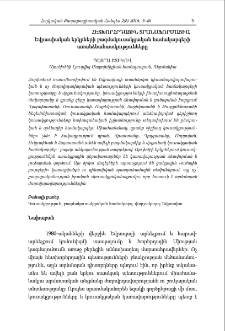
Title: Եվրասիական երկրների բազմակուսակցական համակարգերի առանձնահատկությունները
Creator:
Journal or Publication Title:
Armenian Journal of Political Science=Հայկական քաղաքագիտական հանդես
Date of publication:
Number:
ISSN:
Additional Information:
Other title:
Eurasian Multipartism: Variations on a Theme
Contributor(s):
Coverage:
Abstract:
Հոդվածում ուսումնասիրվում են Եվրասիայի տասներկու կիսաժողովրդավարական և ոչ ժողովրդավարական պետությունների կուսակցական համակարգերի կառուցվածքը և մրցունակությունը, կուսակցությունների ինստիտուցիոնալացման մակարդակը և դրանց դերը կառավարության ձևավորման և լուծարման հարցում: Ղազախստանի, Ռուսաստանի, Ուզբեկստանի, Տաջիկստանի և Թուրքմենստանի հեգեմոնիստական կուսակցական համակարգերում անձնավորված գերիշխող կուսակցությունները նախագահական իշխանությունը տեղափոխում են ընտրական և օրենսդիր համակարգեր: Միաժամանակ, դրանք «իշխող կուսակցություններ» չեն: Ի հակադրություն դրան, Վրաստանը, Ղրղզստանը, Մոլդովան, Ուկրաինան և Հայաստանն ունեն ավելի բազմակարծիք և մրցունակ կուսակցական համակարգեր` բարձր անկայունության տարրերով: Այս խմբի երկրներում կուսակ- ցություններն առանցքային դերակատարներ են կառավարության ձևավորման և լուծարման գործում: Այս երկու մոդելներն արտացոլում են ցանցային «ուժային բուրգերի» կառուցվածքն ու դինամիկան պատրոնաժային ռեժիմներում, այլ ոչ՝ քաղաքականության իրական «կուսակցականացումը», որը հատուկ է արևմտյան ժողովրդավարություններին:
The paper analyzes the structure and competitiveness of party systems, the degree of institutionalization of parliamentary parties, and the role of parties in making and breaking governments in Eurasia’s twelve minimal and nondemocratic countries. Within the hegemonic party systems of Kazakhstan, Russia, Uzbekistan, Azerbaijan, Tajikistan and Turkmenistan, personalist dominant parties translate presidential power into the electoral and legislative arenas. However, they are not ‘ruling parties.’ By contrast, Georgia, Kyrgyzstan, Moldova, Ukraine, and to a lesser degree Armenia feature more pluralist, competitive national and legislative party systems that are plagued by the high instability of organizations and their coalitions. Only in this group have parties also become the key actors in government formation and termination. The two patterns mirror the structure and dynamics of network-based ‘power pyramids’ in patronal regimes rather than a genuine ‘partyization’ of politics akin to Western democracies.
Identifier:
oai:arar.sci.am:428936
Digitization:
Հայկական քաղաքագիտական հանդես-ի թվային տարբերակը ներբեռնվել է Armenian Researchers կայքէջից։
Object collections:
Last modified:
May 6, 2026
In our library since:
Apr 9, 2026
Number of object content hits:
51
All available object's versions:
https://arar.sci.am/publication/462103
Show description in RDF format:
Show description in OAI-PMH format:
-
Armenian Journal of Political Science=Հայկական քաղաքագիտական հանդես
-
Armenian Journal of Political Science, 2014, 1
-
Armenian Journal of Political Science, 2014, 2
-
Armenian Journal of Political Science, 2015, 1
-
Armenian Journal of Political Science, 2015, 2
-
Armenian Journal of Political Science, 2016, 1
-
Armenian Journal of Political Science, 2016, 2
- Եվրասիական երկրների բազմակուսակցական համակարգերի առանձնահատկությունները
- Ուկրաինայի բազմակուսակցական համակարգը. մարտահրավերներ և հեռանկարներ
- Հետկոնֆլիկտային հասարակություններում ժողովրդավարացման խթանման հնարավորությունները միջազգային կառավարման ճանապարհով
- Երկիմաստության կիրառումը միջնորդավորված համաձայնագրերում. հայ-թուրքական արձանագրությունների վերլուծություն
- Проблемы функционирования Армянской АЭС: историко-геополитический анализ
-
Armenian Journal of Political Science, 2017, 1
-
Armenian Journal of Political Science, 2017, 2
-
Armenian Journal of Political Science, 2018, 1
-
Armenian Journal of Political Science, 2018, 2
-
Armenian Journal of Political Science, 2019, 1
-
Armenian Journal of Political Science, 2019, 2
-
Armenian Journal of Political Science, 2020, 1
-
Armenian Journal of Political Science, 2020, 2
-
Armenian Journal of Political Science, 2021, 1
-
Armenian Journal of Political Science, 2021, 2
-
Armenian Journal of Political Science, 2022, 1
-
Armenian Journal of Political Science, 2023, 2
-
Armenian Journal of Political Science, 2014, 1
| Edition name | Date |
|---|---|
| Պետրա Շտիկով, Եվրասիական երկրների բազմակուսակցական համակարգերի առանձնահատկությունները | May 6, 2026 |


