
Նիւթ
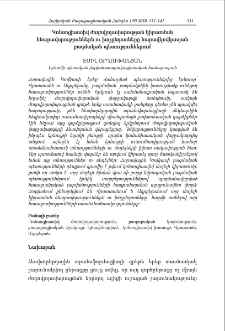
Վերնագիր: Կոնսոցիատիվ ժողովրդավարության կիրառման հնարավորություններն ու խոչընդոտները հարավկովկասյան բազմական պետություններում
Ստեղծողը:
Ամսագրի կամ հրապարակման վերնագիր:
Armenian Journal of Political Science=Հայկական քաղաքագիտական հանդես
Հրապարակման ամսաթիւ:
Համար:
ISSN:
Լրացուցիչ տեղեկութիւն:
Այլ վերնագիր:
Աջակից(ներ):
Ծածկոյթ:
Ամփոփում:
Հարավային Կովկասի երեք ճանաչված պետություններից երկուսը՝ Վրաստանն ու Ադրբեջանը, բազմական՝ բազմաէթնիկ կառուցվածք ունեցող հասարակություններ ունեն: Երկուսն էլ սահմանադրական նպատակ են հռչակել ժողովրդավարական վարչակարգի ստեղծումը, սակայն ժողովրդավարացման գրեթե երեք տասնամյակի ջանքերը դեռևս չեն պսակվել հաջողությամբ, թեև հետխորհրդային տրանսֆորմացիայի մեկնարկին հեղինակավոր ուսումնասիրողների միանգամայն լավատեսական կարծիքներ էին հնչում այդ գործընթացում գտնվող երկրներում ժողովրդավարական վարչակարգերի ձևավորման վերաբերյալ: Դժվարությունները կապված են ինչպես երևույթի եզակի բնույթի՝ որպես կոմունիստական վարչակարգից անցում, այնպես էլ նման երևույթի ուսումնասիրության համար առանձնահատուկ տեսությունների ու մոդելների խիստ սակավության հետ: Այդ պատճառով հաճախ փորձեր են արվում կիրառել որոշ հատկանիշներով նման այլ տեսություններ ու մոդելներ: Հարավային Կովկասի բազմական պետությունների դեպքում գրավիչ է թվում կոնսոցիատիվ մոդելի կիրառումը, քանի որ առկա է այդ մոդելի հիման վրա մի շարք եվրոպական բազմական պետություններում էթնիկ տարբերություններով պայմանավորված հասարակական լարվածությունների հաղթահարման արդյունավետ փորձ: Հոդվածում քննարկվում են Վրաստանում և Ադրբեջանում այդ մոդելի կիրառման հնարավորություններն ու խոչընդոտները՝ հաշվի առնելով այդ հասարակությունների առանձնահատկությունները։
The South Caucasus region is quite diverse in its cultural, ethnic, civilization, religious and social structure. At the same time after the collapse of the Soviet Union, emerged numerous internal conflicts significantly hindered the democratization process in the region. The quarter-century post-Soviet experience shows that with some differences mainly pseudodemocratic or even autocratic regimes are established in South Caucasus countries. Many researches affirm that in plural societies of Azerbaijan and Georgia ethnocratic elements are also observed. In these countries the influence of dominant ethnic groups over other ethnicities not explicitly are encouraged by authorities. Local researchers often explain this situation by the transitional period. However, other numerous studies show that in these countries ethnic-based governments aspire to be strengthened. Therefore, these countries could not lead to a fully democratic transition, and in result, they will be able to build ethnic democracies or authoritarian regimes. In this case, the cultural, religious and linguistic identity of subordinate ethnicities will be in danger. To prevent such possible developments, the article explores the idea of cultural relativism as opposition to the ethnocentrism. The cultural relativism treats all ethnic segments of the same plural society as equal. And in this case, the most relevant model of democracy can be the consociational model which continues to be successfully used for decades in many plural European states such as Netherlands, Belgium, etc. The article argues that in South Caucasus plural states the consociational discourse can be a real tool to build a democratic political culture. Based on the universal objectives and common interests, the consociational discourse tends to create guarantees of equality and security for all segments in South Caucasus plural states. Only on the base of civic culture development, the consociational democracy model implementation can be efficient.
Նոյնացուցիչ:
oai:arar.sci.am:429868
Թուայնացում:
Հայկական քաղաքագիտական հանդես-ի թվային տարբերակը ներբեռնվել է Armenian Researchers կայքէջից։
Նիւթին հաւաքածոները:
Վերջին անգամ ձեւափոխուած է:
May 6, 2026
Մեր գրադարանին մէջ է սկսեալ:
Apr 29, 2026
Նիւթին բովանդակութեան հարուածներուն քանակը:
31
Նիւթին բոլոր հասանելի տարբերակները:
https://arar.sci.am/publication/463271
Ցոյց տուր նկարագրութիւնը RDF ձեւաչափով:
Ցոյց տուր նկարագրութիւնը OAI-PMH ձեւաչափով։
-
Armenian Journal of Political Science=Հայկական քաղաքագիտական հանդես
-
Armenian Journal of Political Science, 2014, 1
-
Armenian Journal of Political Science, 2014, 2
-
Armenian Journal of Political Science, 2015, 1
-
Armenian Journal of Political Science, 2015, 2
-
Armenian Journal of Political Science, 2016, 1
-
Armenian Journal of Political Science, 2016, 2
-
Armenian Journal of Political Science, 2017, 1
-
Armenian Journal of Political Science, 2017, 2
-
Armenian Journal of Political Science, 2018, 1
- Տրանսֆորմացվող սփյուռքների առանձնահատկությունները. հայկական սփյուռքի դեպքը
- «Սահմանադրական ինքնությունը» եվրոպականացման, հետխորհրդային տրանսֆորմացիայի և տարածաշրջանային ինտեգրման գործընթացների համատեքստում. Հայաստանի Հանրապետության դեպքը
- Վրաստանի էթնիկ փոքրամասնությունների արտաքին քաղաքական կողմնորոշման առանձնահատկությունները
- Մարդասիրական միջամտության իրականացման իրավական հիմքերը և կիրառման խնդիրները
- Կոնսոցիատիվ ժողովրդավարության կիրառման հնարավորություններն ու խոչընդոտները հարավկովկասյան բազմական պետություններում
-
Armenian Journal of Political Science, 2018, 2
-
Armenian Journal of Political Science, 2019, 1
-
Armenian Journal of Political Science, 2019, 2
-
Armenian Journal of Political Science, 2020, 1
-
Armenian Journal of Political Science, 2020, 2
-
Armenian Journal of Political Science, 2014, 1
| Հրատարակութեան անունը | Թուական |
|---|---|
| Օրդուխանյան, Էմիլ, Կոնսոցիատիվ ժողովրդավարության կիրառման հնարավորություններն ու խոչընդոտները հարավկովկասյան բազմական պետություններում | May 6, 2026 |


