
Օբյեկտ
Վերնագիր: Unity Without Power-Sharing: Syria’s Stance On Kurdish Federalism
Ամսագրի կամ հրապարակման վերնագիր:
Արևելագիտական ժողովածու = Востоковедческий сборник
Հրապարակման ամսաթիվ:
Հատոր:
Համար:
ISSN:
Այլ վերնագիր:
Միասնություն առանց իշխանության բաժանման․ Սիրիայի դիրքորոշումը քրդական ֆեդերալիզմի վերաբերյալ
Համատեղ հեղինակները:
ՀՀ ԳԱԱ Արևելագիտության ինստիտուտ
Ծածկույթ:
Ամփոփում:
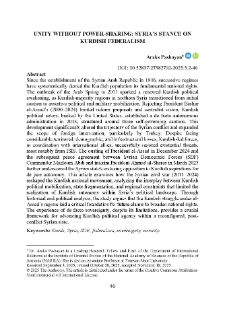
Since the establishment of the Syrian Arab Republic in 1946, successive regimes have systematically denied the Kurdish population its fundamental national rights. The outbreak of the Arab Spring in 2011 sparked a renewed Kurdish political awakening, as Kurdish-majority regions in northern Syria transitioned from initial caution to assertive political and military mobilization. Rejecting President Bashar al-Assad’s (2000–2024) limited reform proposals and centralist vision, Kurdish political actors, backed by the United States, established a de facto autonomous administration in 2013, structured around three self-governing cantons. This development significantly altered the trajectory of the Syrian conflict and expanded the scope of foreign intervention, particularly by Turkey. Despite facing considerable territorial, demographic, and infrastructural losses, Kurdish-led forces, in coordination with international allies, successfully resisted existential threats, most notably from ISIS. The ousting of President al-Assad in December 2024 and the subsequent peace agreement between Syrian Democratic Forces (SDF) Commander Mazloum Abdi and interim President Ahmad al-Sharaa in March 2025 further underscored the Syrian state's enduring opposition to Kurdish aspirations for de jure autonomy. This article examines how the Syrian civil war (2011–2024) reshaped the Kurdish national movement, analyzing the interplay between Kurdish political mobilization, state fragmentation, and regional constraints that limited the realization of Kurdish autonomy within Syria’s political landscape. Through historical and political analysis, the study argues that the Kurdish struggle under al-Assad’s regime laid a critical foundation for future claims to broaden national rights. The experience of de facto sovereignty, despite its limitations, provides a crucial framework for advancing Kurdish political agency within a reconfigured, post-conflict Syrian state.
1946 թվականին Սիրիայի Արաբական Հանրապետության հռչակումից ի վեր միմյանց հաջորդած վարչակարգերը համակարգված կերպով մերժել են քրդական բնակչության հիմնարար ազգային իրավունքները։ 2011 թվականին Արաբական գարունը խթան դարձավ քրդական քաղաքական նոր զարթոնքի համար։ Հյուսիսային Սիրիայի քրդաբնակ շրջանները զգուշավոր դիրքավորումից անցում կատարեցին ավելի վճռական քաղաքական և ռազմական մոբիլիզացիայի։ Մերժելով նախագահ Բաշար ալ-Ասադի (2000–2024) սահմանափակ բարեփոխումների առաջարկներն ու կենտրոնացման տեսլականը՝ քրդական քաղաքական ուժերը, Միացյալ Նահանգների աջակցությամբ, 2013 թվականին երեք ինքնակառավարվող կանտոններում ստեղծեցին դե ֆակտո ինքնավար վարչակազմ։ Այս զարգացումը էականորեն փոխեց սիրիական հակամարտության ընթացքը և ընդլայնեց արտաքին միջամտության շրջանակը, մասնավորապես՝ Թուրքիայի կողմից։
Հրատարակության վայրը:
Երևան
Հրատարակիչ:
Ձևաչափ:
Նույնացուցիչ:
oai:arar.sci.am:425755
Լեզու:
Բնօրինակի գտնվելու վայրը:
ՀՀ ԳԱԱ Հիմնարար գիտական գրադարան
Օբյեկտի հավաքածուներ:
Վերջին անգամ ձևափոխված:
Apr 14, 2026
Մեր գրադարանում է սկսած:
Dec 25, 2025
Օբյեկտի բովանդակության հարվածների քանակ:
98
Օբյեկտի բոլոր հասանելի տարբերակները:
https://arar.sci.am/publication/458574
Ցույց տուր նկարագրությունը RDF ձևաչափով:
Ցույց տուր նկարագրությունը OAI-PMH ձևաչափով։
-
Մատենաշարային և պարբերական հրատարակություններ
-
Օտար աղբյուրները Հայաստանի և հայերի մասին = Иноязычные источники об Армении и армянах
-
Հայ ազգագրություն և բանահյուսություն․ Նյութեր և ուսումնասիրություններ = Армянская этнография и фольклор. Материалы и исследования
-
Հնագիտական պեղումները Հայաստանում = Археологические раскопки в Армении
-
Հայաստանի հնագիտական հուշարձանները = Археологические памятники Армении
-
Դիվան հայ վիմագրության = Свод армянских надписей
-
Հայ ժողովրդական հեքիաթներ = Армянские народные сказки
-
Հայ ժողովրդի պատմություն, 8 h.= История армянского народа, 8 т.
-
Նյութեր հայ ժողովրդի պատմության = Материалы по истории армянского народа
-
Հայոց պատմության հարցեր = Вопросы истории Армении = The Problems of the History Of Armenia
-
Արևելագիտական ժողովածու = Востоковедческий сборник
-
Արևելագիտական ժողովածու, 1960, I
-
Արևելագիտական ժողովածու, 1964, II
-
Մերձավոր և Միջին Արևելքի երկրներ և ժողովուրդներ, 1967, III
-
Մերձավոր և Միջին Արևելքի երկրներ և ժողովուրդներ, 1969, IV
-
Մերձավոր և Միջին Արևելքի երկրներ և ժողովուրդներ, 1970, V
-
Մերձավոր և Միջին Արևելքի երկրներ և ժողովուրդներ, 1974, VI
-
Մերձավոր և Միջին Արևելքի երկրներ և ժողովուրդներ, 1975, VII
-
Մերձավոր և Միջին Արևելքի երկրներ և ժողովուրդներ, 1975, VIII
-
Մերձավոր և Միջին Արևելքի երկրներ և ժողովուրդներ, 1978, IX
-
Մերձավոր և Միջին Արևելքի երկրներ և ժողովուրդներ, 1979, X
-
Մերձավոր և Միջին Արևելքի երկրներ և ժողովուրդներ, 1982, XI
-
Մերձավոր և Միջին Արևելքի երկրներ և ժողովուրդներ, 1985, XII
-
Մերձավոր և Միջին Արևելքի երկրներ և ժողովուրդներ, 1985, XIII
-
Մերձավոր և Միջին Արևելքի երկրներ և ժողովուրդներ, 1987, XIV
-
Մերձավոր և Միջին Արևելքի երկրներ և ժողովուրդներ, 1989, XV
-
Մերձավոր և Միջին Արևելքի երկրներ և ժողովուրդներ, 1996, XVI
-
Մերձավոր և Միջին Արևելքի երկրներ և ժողովուրդներ, 1998, XVII
-
Մերձավոր և Միջին Արևելքի երկրներ և ժողովուրդներ, 1999, XVIII
-
Մերձավոր և Միջին Արևելքի երկրներ և ժողովուրդներ, 2000, XIX
-
Մերձավոր և Միջին Արևելքի երկրներ և ժողովուրդներ, 2001, XX
-
Մերձավոր և Միջին Արևելքի երկրներ և ժողովուրդներ, 2002, XXI
-
Մերձավոր և Միջին Արևելքի երկրներ և ժողովուրդներ, 2003, XXII
-
Մերձավոր և Միջին Արևելքի երկրներ և ժողովուրդներ, 2004, XXIII
-
Մերձավոր և Միջին Արևելքի երկրներ և ժողովուրդներ, 2005, XXIV
-
Մերձավոր և Միջին Արևելքի երկրներ և ժողովուրդներ, 2006, XXV
-
Մերձավոր և Միջին Արևելքի երկրներ և ժողովուրդներ, 2007, XXVI
-
Մերձավոր և Միջին Արևելքի երկրներ և ժողովուրդներ, 2009, XXVII
-
Մերձավոր և Միջին Արևելքի երկրներ և ժողովուրդներ, 2011, XXVIII
-
Մերձավոր և Միջին Արևելքի երկրներ և ժողովուրդներ, 2014, XXIX
-
Մերձավոր և Միջին Արևելքի երկրներ և ժողովուրդներ, 2016, XXX
-
Մերձավոր և Միջին Արևելքի երկրներ և ժողովուրդներ, 2018, XXXI
-
Մերձավոր և Միջին Արևելքի երկրներ և ժողովուրդներ, 2019, XXXII (1)
-
Մերձավոր և Միջին Արևելքի երկրներ և ժողովուրդներ, 2019, XXXII (2)
-
Մերձավոր և Միջին Արևելքի երկրներ և ժողովուրդներ, 2020, XXXIII (1)
-
Մերձավոր և Միջին Արևելքի երկրներ և ժողովուրդներ, 2020, XXXIII (2)
-
Բանբեր Արևելագիտության ինստիտուտի=Bulletin Of The Institute Of Oriental Studies (BIOS), 2021, հատոր 1 (34)
-
Բանբեր Արևելագիտության ինստիտուտի=Bulletin Of The Institute Of Oriental Studies (BIOS), 2022, հատոր 2 (35)
-
Բանբեր Արևելագիտության ինստիտուտի=Bulletin Of The Institute Of Oriental Studies (BIOS), 2023, հատոր 3
-
Բանբեր Արևելագիտության ինստիտուտի=Bulletin Of The Institute Of Oriental Studies (BIOS), 2024, հատոր 4
-
Բանբեր Արևելագիտության ինստիտուտի=Bulletin Of The Institute Of Oriental Studies (BIOS), 2025, հատոր 5
-
Բանբեր Արևելագիտության ինստիտուտի=Bulletin Of The Institute Of Oriental Studies (BIOS), 2025, հատոր 5, 1
-
Բանբեր Արևելագիտության ինստիտուտի=Bulletin Of The Institute Of Oriental Studies (BIOS), 2025, հատոր 5, 2
- Կազմ; Խմբագրական խորհուրդ
- Բովանդակություն; Contents
- An Examination Of The Muški Tribe: A Multidisciplinary Approach Including Paleogenomics
- Unity Without Power-Sharing: Syria’s Stance On Kurdish Federalism
- From Negotiation To Intifada: Understanding The Collapse Of The Camp David Summit 2000 And The Al-Aqsa Intifada
- αβασιλευτοi - Those who have no King
- From Conception To Stalemate: An Assessment Of The India-Middle East-Europe Economic Corridor (Imec)
-
Բանբեր Արևելագիտության ինստիտուտի=Bulletin Of The Institute Of Oriental Studies (BIOS), 2025, հատոր 5, 1
-
Արևելագիտական ժողովածու, 1960, I
-
Արևելյան աղբյուրագիտություն = Восточное источниковедение = Studies in oriental sources
-
Արևելագիտությունը Հայաստանում = Востоковедение в Армении = Oriental Studies in Armenia
-
Մերձավոր Արևելք. Պատմություն, քաղաքականություն, մշակույթ = Middle East: History, politics, culture
-
Թուրքագիտական և օսմանագիտական հետազոտություններ = Туркологические и османистические исследования = Turkish and Ottoman studies
-
Էսթետիկայի հարցեր
-
Հայ էսթետիկական մտքի պատմությունից. Հետազոտությունների ժողովածու = Из истории эстетической мысли в Армении. Сборник исследований
-
The Caucasus On The Crossroads Of International Trade And Cultural Exchanges=Կովկասը միջազգային առևտրի և մշակութային փոխառնչությունների խաչմերուկներում
-
Հայաստան-Իրան. Պատմական անցյալը և ներկան=Armenia-Iran. Historical Past and the Present
-
Գիտական հոդվածների ժողովածու. Միջազգային գիտաժողովի նյութեր
-
Արևելյան աղբյուրագիտություն (Լրակազմեր) = Восточное источниковедение = Studies in oriental sources
-
Օտար աղբյուրները Հայաստանի և հայերի մասին = Иноязычные источники об Армении и армянах
| Հրատարակության անուն | Ամսաթիվ |
|---|---|
| Pashayan, Araks, Unity Without Power-Sharing: Syria’s Stance On Kurdish Federalism | Apr 14, 2026 |


