
Object
Title: Պակիստանի բելուջիստանյան քաղաքականության խզումները
Creator:
Journal or Publication Title:
Armenian Journal of Political Science=Հայկական քաղաքագիտական հանդես
Date of publication:
Number:
ISSN:
Additional Information:
Other title:
Fault Lines of Pakistan’s Baluchistan Policy
Contributor(s):
Coverage:
Abstract:
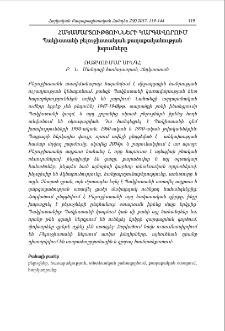
Բելուջիստանն աստիճանաբար հայտնվում է միջազգային հանրության ուշադրության կենտրոնում, քանզի Պակիստանի կառավարության հետ հարաբերություններն ավելի են լարվում: Նահանգի ազգայանական ուժերը երբեք չեն ընդունել 1947-1948թթ. տարածքի բռնի ինտեգրումը Պակիստանի կազմ, և այդ շրջանից սկսած բելուջներն իրենց հողն անվանում են օկուպացված: Դա հանգեցրել է Պակիստանի դեմ խռովությունների 1950-ական, 1960-ական և 1970-ական թվականներին: Պայքարի ներկայիս փուլը, որում ավելի ընդգծված է անկախության համար մղվող շարժումը, սկսվեց 2004թ. և շարունակվում է առ այսօր: Բելուջիստանը աղքատ նահանգ է, որը հարուստ է այնպիսի բնական ռեսուրսներով, ինչպիսիք են գազը, քարածուխը և այլ օգտակար հանածոներ, ինչպես նաև այնպիսի կարևոր տնտեսական ոլորտներով, ինչպիսիք են ձկնաբուծությունը, հանքարդյունաբերությունը, առևտուրը և այլն: Չնայած դրան, այն մշտապես եղել է Պակիստանի առավել աղքատ և զարգացածության առավել ցածր մակարդակ ունեցող նահանգներից: Հոդվածում ընդգծվում է Բելուջիստանի այդ հակասական դիրքը, ինչը խորացրել է բելուջների ընդհանուր օտարումն իրենց մայր երկրից՝ Պակիստանից: Պակիստանի կազմում կան մի քանի այլ նահանգներ ևս, որոնք թեև զգալի ներդրում են ունեցել երկրի զարգացման գործում, փոխարենը գրեթե ոչինչ չեն ստացել: Հոդվածում նախ ուսումնասիրվում են Բելուջիստանի ներսում առկա խնդիրները, այնուհետև դրանք դիտարկվում են տարածաշրջանային և գլոբալ համատեքստում:
Increasingly, Baluchistan is coming under international focus and its tense relationship with the government of Pakistan. In fact, the nationalist forces of Baluchistan never accepted its integration in 1947-1948 with brute force and since then the Baloch people call their land an occupied area, leading to various insurgencies against Pakistan in the 1950s, 1960s and 1970s. The current phase of insurgency in the form of more vigorous movement for independence began in 2004, growing gradually and still continuing. In addition, Pakistan’s Baluchistan is a poor land with rich natural resources such as gas, coal and other minerals with other important economic sectors which include fisheries, mining manufacturing industries, trade and other services. In contrast, Baluchistan has been called a “neglected province where a majority of people lacks amenities1. It has always been the poorest and least developed of all of Pakistan’s provinces. The paper aims to highlight this contradictory position of Baluchistan which, to a large extent, has fuelled the overall dissatisfaction/alienation of the Baloch people from the parent country, Pakistan. There are several provinces, like Baluchistan, that gave a potential contribution to country’s development but get a little in return. By examining the entire elements inside Baluchistan, it will be placed in a larger regional and global context. The case of Baluchistan contains far-reaching implications for the world but, in particular for the country and region.
Identifier:
oai:arar.sci.am:429855
Digitization:
Հայկական քաղաքագիտական հանդես-ի թվային տարբերակը ներբեռնվել է Armenian Researchers կայքէջից։
Object collections:
Last modified:
May 6, 2026
In our library since:
Apr 29, 2026
Number of object content hits:
16
All available object's versions:
https://arar.sci.am/publication/463252
Show description in RDF format:
Show description in OAI-PMH format:
-
Armenian Journal of Political Science=Հայկական քաղաքագիտական հանդես
-
Armenian Journal of Political Science, 2014, 1
-
Armenian Journal of Political Science, 2014, 2
-
Armenian Journal of Political Science, 2015, 1
-
Armenian Journal of Political Science, 2015, 2
-
Armenian Journal of Political Science, 2016, 1
-
Armenian Journal of Political Science, 2016, 2
-
Armenian Journal of Political Science, 2017, 1
-
Armenian Journal of Political Science, 2017, 2
- Перспективы и вызовы перехода Армении к системе парламентского правления
- Ազգերի ինքնորոշման իրավունքի հիման վրա ձևավորված պետությունների կայացման խնդիրն ու կապը միջազգային ճանաչման հետ
- Բազմակուսակցական համակարգի ձևավորման ու կայացման խնդիրը Հարավային Կովկասի չճանաչված պետություններում
- Հայոց ցեղասպանության վերաբերյալ Թուրքիայի պաշտոնական խոսույթի զարգացումն Էրդողանի պաշտոնավարման շրջանում
- Պակիստանի բելուջիստանյան քաղաքականության խզումները
-
Armenian Journal of Political Science, 2018, 1
-
Armenian Journal of Political Science, 2018, 2
-
Armenian Journal of Political Science, 2019, 1
-
Armenian Journal of Political Science, 2019, 2
-
Armenian Journal of Political Science, 2020, 1
-
Armenian Journal of Political Science, 2020, 2
-
Armenian Journal of Political Science, 2014, 1
| Edition name | Date |
|---|---|
| Ռաջկումար Սինգհ, Պակիստանի բելուջիստանյան քաղաքականության խզումները | May 6, 2026 |


